Recognizing the Significance of the ABPM Test in High Blood Pressure Management
Ambulatory Blood Pressure Monitoring (ABPM) is a critical device in managing high blood pressure. By giving constant blood pressure analyses over 1 day, it supplies insights that typical measurements can not. This approach can reveal conditions such as white coat syndrome and masked hypertension. Understanding these nuances is vital for reliable individual treatment. As health care develops, the ramifications of ABPM in shaping customized treatment approaches end up being significantly considerable. What does this mean for the future of hypertension administration?
What Is Ambulatory Blood Pressure Monitoring (ABPM)?
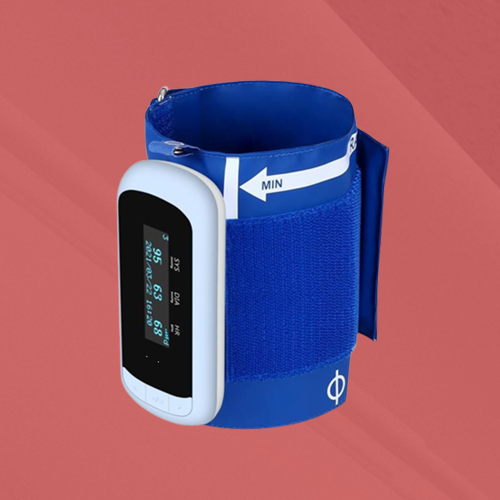
Ambulatory Blood Pressure Monitoring (ABPM) is a method that enables the continual measurement of blood pressure over a 24-hour duration while patients participate in their everyday tasks. This innovative method entails the usage of a mobile gadget that immediately takes blood pressure analyses at established periods, commonly every 15 to thirty minutes. ABPM supplies a thorough account of blood pressure changes throughout the day and night, capturing variants that may be missed during conventional office measurements.It is specifically advantageous for diagnosing conditions such as hypertension and white coat syndrome, where individuals exhibit elevated analyses just in medical setups. By offering real-time information, ABPM enhances the precision of high blood pressure evaluations and help in customizing treatment plans. The insights obtained from this monitoring might bring about much better monitoring of cardiovascular health, strengthening the significance of ABPM in contemporary medical technique.
Exactly How ABPM Differs From Traditional Blood Pressure Measurements
While traditional blood pressure measurements usually rely on analyses absorbed a clinical setting, ABPM supplies a much more comprehensive strategy by examining blood pressure over a full 24-hour period. Traditional methods often produce a restricted variety of analyses that might not catch changes in blood pressure throughout the day. On the other hand, ABPM enables constant monitoring, providing understandings right into variants during different activities, such as resting and exercising.Additionally, conventional measurements may be influenced by the client's anxiousness throughout a medical professional's see, known as "white coat syndrome," possibly bring about inaccurately high analyses. ABPM mitigates this issue by accumulating data in an acquainted atmosphere, yielding a much more exact depiction of an individual's blood pressure. The device typically takes measurements at normal intervals, guaranteeing detailed information collection. This fundamental difference highlights the relevance of ABPM in offering a full image of a patient's blood pressure account.
Advantages of ABPM in Hypertension Management
Making use of Ambulatory Blood Pressure Monitoring (ABPM) presents considerable advantages in managing high blood pressure. It supplies accurate and continuous blood pressure analyses, aiding to identify problems such as white coat disorder. This exact information enables doctor to make more individualized therapy modifications customized to specific patient demands.
Precise Blood Pressure Monitoring
Determining White Layer Syndrome
Ambulatory Blood Pressure Monitoring (ABPM) plays a substantial duty in determining white layer syndrome, a sensation where individuals exhibit elevated blood pressure analyses in a medical setting yet maintain normal degrees in their daily lives. This condition can cause misdiagnosis and unnecessary therapy, complicating high blood pressure administration. ABPM gives a detailed evaluation of blood pressure over a 24-hour duration, catching variants that occur during day-to-day activities and rest. By comparing these readings to clinic measurements, doctor can compare true high blood pressure and white coat syndrome. Inevitably, identifying this syndrome is crucial for tailoring ideal therapy strategies and preventing overtreatment, ensuring that people get treatment that accurately shows their blood pressure standing outside the professional atmosphere.
Individualized Therapy Modifications
Enhancing hypertension management with personalized treatment adjustments comes to be possible with the understandings gained from ABPM. This method offers continual blood pressure monitoring, allowing doctor to identify patterns and variations that may not appear during standard workplace sees. By Learn More comprehending an individual's unique blood pressure account, clinicians can tailor treatment strategies that take into consideration factors such as medication efficiency, way of life affects, and individual reaction to treatment. This personalized approach not only enhances person adherence but likewise enhances overall outcomes by decreasing the risk of issues connected with uncontrolled high blood pressure. Inevitably, using ABPM encourages medical professionals to make enlightened choices, leading to much more efficient administration techniques that straighten with each individual's specific requirements.
Determining White Coat High Blood Pressure and Masked High Blood Pressure
White coat high blood pressure occurs when individuals exhibit elevated blood pressure analyses in a medical setting as a result of stress and anxiety, while their measurements are typical in other atmospheres. On the other hand, masked high blood pressure refers to people whose blood pressure is normal throughout medical check outs but raised in day-to-day life. Comprehending these two phenomena is vital for accurate high blood pressure monitoring and treatment choices.
Specifying White Coat High Blood Pressure
High blood pressure management usually involves comparing different blood pressure conditions, especially white coat hypertension and concealed high blood pressure. White coat high blood pressure is defined by elevated blood pressure analyses in clinical setups, often as a result of anxiety connected with clinical environments. People with this condition typically display typical blood pressure levels beyond these setups. This phenomenon can result in misdiagnosis and unneeded therapy if not appropriately identified. It is critical for doctor to identify this condition to prevent overtreatment and to ensure accurate hypertension management. ABPM test in Bangalore. Making use of ambulatory blood pressure see this here monitoring (ABPM) can help set apart white coat hypertension from sustained hypertension, allowing much more effective and customized therapy strategies for people experiencing this unique blood pressure reaction
Comprehending Masked Hypertension
Masked high blood pressure positions a considerable obstacle in hypertension monitoring, as it frequently goes undetected in professional settings. This condition occurs when a person's blood pressure analyses are regular during clinical visits however raised in the house or throughout everyday tasks. Unlike white coat hypertension, where anxiety in a scientific environment brings about short-term spikes in blood pressure, concealed high blood pressure can cause unrecognized cardio dangers. People may believe they have regular blood pressure, ignoring necessary way of living modifications or therapies. Recognizing covered up high blood pressure is essential, as it can cause serious wellness complications with time. Ambulatory Blood Pressure Monitoring (ABPM) is a reliable device for spotting this condition, making it possible for health care specialists to give timely intervention and improve patient end results.
The Duty of ABPM in Personalized Therapy Strategies
As medical care suppliers increasingly identify the significance of personalized care, the execution of Ambulatory Blood Pressure Monitoring (ABPM) has actually become important in tailoring treatment strategies for patients with high blood pressure. ABPM enables continuous blood pressure measurement over 24 hr, revealing patterns that might be missed during standard office gos to. This thorough data provides insights right into a person's blood pressure variability and nighttime levels, which are essential for comprehending overall cardiovascular danger.
Interpreting ABPM Results: Recognizing Patterns and Patterns
Analyzing the results from Ambulatory Blood Pressure Monitoring (ABPM) calls for an eager understanding of numerous patterns and patterns that arise from the gathered information. Clinicians examine the 24-hour blood pressure account, differentiating in between daytime and nighttime readings to identify potential white-coat high blood pressure or covered up high blood pressure. A regular elevation in daytime analyses might indicate badly regulated hypertension, while nighttime dips can symbolize effective blood pressure administration or nocturnal hypertension, which poses additional cardiovascular risks.Trends in time, such as sustained increases or variations, are likewise essential. Irregularity in analyses can recommend underlying issues, such as stress or drug non-adherence. In addition, the assessment of blood pressure patterns in connection with daily tasks can supply insights right into way of living elements impacting hypertension. By meticulously translating these outcomes, medical care specialists can customize treatment methods to enhance person end results in high blood pressure management, eventually resulting in far better cardio health.
The Future of Blood Pressure Monitoring and Hypertension Care
Arising innovations and advancements are poised to transform blood pressure monitoring and high blood pressure treatment in the coming years. Wearable tools equipped with innovative sensing units are anticipated to offer continual, real-time blood pressure readings, enabling even more tailored treatment programs. These tools will certainly not only improve client engagement however additionally promote remote monitoring by doctor, resulting in prompt interventions.Artificial intelligence and artificial intelligence algorithms will certainly play a vital duty in examining client information, determining patterns, and anticipating hypertension-related problems. This anticipating capacity can result in even more aggressive administration methods. In addition, telehealth solutions will likely expand, making it possible for clients to speak with professionals and receive customized suggestions without the demand for in-person visits.Furthermore, advancements in mobile applications might empower people to track their blood pressure independently, promoting a sense of ownership over their wellness. In general, the future of blood pressure monitoring and high blood pressure treatment shows up promising, with innovation at its leading edge.
Frequently Asked Inquiries
Exactly how Long Does an ABPM Test Usually Last?
The ABPM test normally lasts 1 day. During this duration, a portable device steps blood pressure at normal intervals, supplying extensive data on a client's blood pressure patterns throughout day-to-day tasks and rest.
Can ABPM Be Used for Youngsters and Teens?
ABPM can without a doubt be utilized for pop over to this site kids and adolescents - ABPM test in Bangalore. It gives beneficial insights into their blood pressure patterns, assisting doctor properly detect and manage high blood pressure in younger populations, promoting far better long-term health end results

What Should I Stay clear of Before Taking an ABPM Test?

Before taking an ABPM examination, people need to prevent caffeine, pure nicotine, and laborious workout, as these can momentarily raise blood pressure analyses. Furthermore, it's recommended to avoid using tight clothes that may prevent dimension precision.
Just how Frequently Should I Undertake ABPM Testing?
The frequency of ABPM screening differs based on private wellness requirements. Normally, it is recommended every six to twelve months, particularly for those with unchecked hypertension or substantial changes in blood pressure medicine. Routine monitoring aids reliable administration.
Is ABPM Covered by Insurance Strategies?
The protection of ABPM screening by insurance plans differs significantly. Individuals must consult their particular insurance policy carriers to determine qualification and any type of prospective out-of-pocket costs connected with this analysis procedure for high blood pressure monitoring.